When shopping for outdoor gear, upholstery, or industrial covers, one important feature stands out: water resistance. But what exactly makes a fabric water-resistant, and how do different types compare? In this article, we’ll break down the science behind water-resistant fabrics, highlight popular types like treated canvas and PVC-coated polyester, and explain their best-use scenarios.
In this guide, we’ll break down:
What “water-resistant” really means
What makes a fabric repel water
The most common types of water-resistant fabrics
Detailed comparison: Treated Canvas vs. PVC-Coated Polyester
Applications across fashion, industry, and DIY
What Are Water-Resistant Fabrics?
Water-resistant fabrics are materials specially designed to repel water to varying degrees. Unlike completely waterproof materials that block water entirely under pressure, water-resistant fabrics provide a barrier that slows down or prevents water from passing through—ideal for everyday outdoor use, light rain, or splash-prone environments.

What Are Water-Resistant Fabrics?
Water-resistant fabrics are materials specially designed to repel water to varying degrees. Unlike completely waterproof materials that block water entirely under pressure, water-resistant fabrics provide a barrier that slows down or prevents water from passing through—ideal for everyday outdoor use, light rain, or splash-prone environments.
What Are Water-Resistant Fabrics?
Water-resistant fabrics are textiles designed to prevent water penetration to some degree. Unlike waterproof fabrics (which create an impenetrable barrier), water-resistant materials offer varying levels of protection depending on their treatment and construction.
They are ideal for:
Occasional or light exposure to moisture
Applications that also need breathability
Outdoor use where flexibility and comfort matter
What Makes a Fabric Water-Resistant?
The water resistance of a fabric can be influenced by one or more of the following factors:
1. Tight Weave
Fabrics like canvas and microfiber naturally repel water better than loosely woven cloth. The tighter the weave, the harder it is for water droplets to pass through.
2. Surface Treatments (Chemical Coatings)
Many textiles are treated with:
Durable Water Repellent (DWR) finishes
Silicone or fluoropolymer sprays
Wax or oil coatings (as in waxed canvas)
These finishes create a hydrophobic layer, causing water to bead and roll off the surface.
3. Laminated or Coated Layers
Some synthetic fabrics are laminated with plastic-based layers:
PU (polyurethane) coating
PVC (polyvinyl chloride) coating
These coatings can make the fabric fully waterproof and extremely durable—but less breathable.
Common Types of Water-Resistant Fabrics
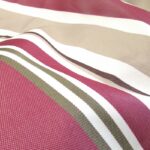
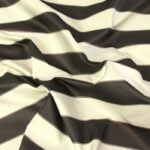
1. Treated Canvas
Base Material: Cotton or polycotton
Treatment: Wax, oil, or modern water-repellent chemicals
Features:
Natural look and feel
Moderate water resistance (not waterproof)
Breathable and flexible
Drawbacks: Needs regular maintenance and reapplication of waterproofing treatments
Used For: Outdoor tents, jackets, backpacks, tool rolls, camping gear
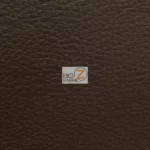
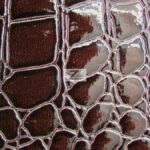
2. PVC-Coated Polyester
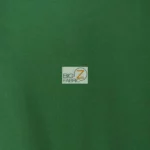
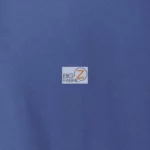
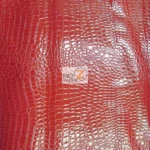
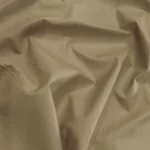
Base Material: Woven polyester
Coating: PVC layer fused to one or both sides
Features:
Completely waterproof
UV- and mildew-resistant
Rigid and long-lasting
Drawbacks: Heavier, stiff, and not breathable
Used For: Tarps, boat covers, outdoor furniture, banners, roofing materials

3. Nylon with DWR Coating
Lightweight and flexible
Often found in windbreakers, rain jackets, and camping equipment
Resists light to moderate rain but may fail under pressure or prolonged exposure
4. Polyurethane-Coated Fabrics (PU)
Softer than PVC but still waterproof
Lightweight and used in budget-friendly rainwear, tent floors, and car covers
May degrade over time when exposed to UV rays
Which Fabrics Are Truly Waterproof?
While many fabrics resist water, true waterproof fabrics are those that meet specific hydrostatic head ratings (often 1,000 mm and above). Fabrics that are considered fully waterproof include:
PVC-Coated Polyester
PU-Coated Nylon
TPU Laminates
Gore-Tex® and eVent membranes
These are commonly used in industrial-grade covers, rainwear, and marine environments.
Popular Applications of Water-Resistant Fabrics
Fashion & Apparel
Raincoats (nylon, Gore-Tex)
Outdoor workwear (waxed canvas, treated cotton duck)
Backpacks & messenger bags (PU-coated nylon, PVC canvas)
Outdoor & Camping Gear
Tents & shelters
Ground tarps & footprints
Portable covers for gear or equipment
Industrial & Commercial Use
Truck tarps, canopies, awnings
Boating and marine covers
Heavy-duty banners and billboards
DIY & Home Projects
Pet bedding liners
Shower curtains and liners
Outdoor cushion covers
Add Your Heading Text Here
Understanding the difference between water-resistant and waterproof fabrics is essential when choosing materials for projects exposed to the elements. While treated canvas is breathable and natural, it requires care and isn’t ideal for prolonged wet conditions. PVC-coated polyester, on the other hand, is fully waterproof and tough—perfect for demanding environments but less comfortable and eco-friendly.
By choosing the right water-resistant fabric for your needs, you’ll ensure durability, protection, and long-term satisfaction in your products.